
National Tree Week 2026 at Boult – autumnal photos and 1.2 million trees protected worldwide
Boult celebrates National Tree Week with an autumnal photo challenge whilst hitting a huge milestone with OneTribe.

Artificial intelligence
Devices
Digital Health
Drug delivery
Diagnostic Instruments
In vitro diagnostics
Medtech
Medical devices and diagnostics (medtech) is a dynamic technical field with one of the highest rates of patent applications annually. Innovations in this area cover three major categories: medical devices (for prevention, diagnosis or treatment); in vitro diagnostics (non-invasive tests); and digital health. At Boult, we are active across all three disciplines.
The medical field is one of great innovation and continues to be at the cutting edge of technological and pharmaceutical development. Major trends we have seen recently in our work with our clients include the growth in portable, wearable smart devices, combating anti-microbial resistance, early detection and diagnosis technology, automated or non-invasive robotic surgery, greater use of “big data” and AI, and decentralised diagnostics, via laboratory digitalisation. This scope for invention must be balanced against the complex regulatory frameworks prevalent in the medtech space, with the potential risk to end users for both medical devices and diagnostic devices which, although not directly in the remit of IP, remains a key consideration in any filing.
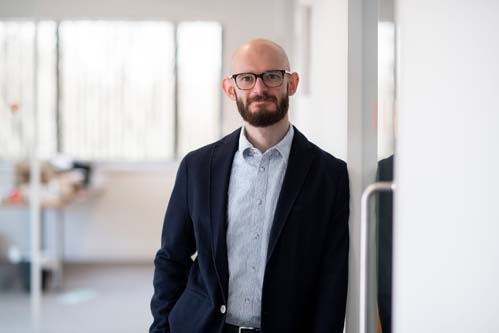
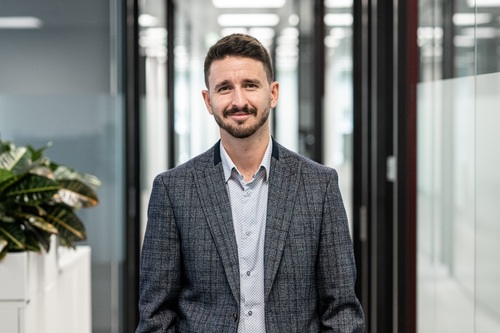
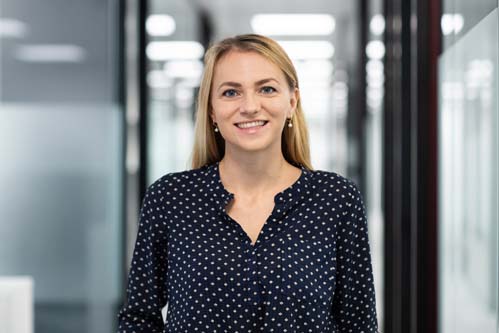
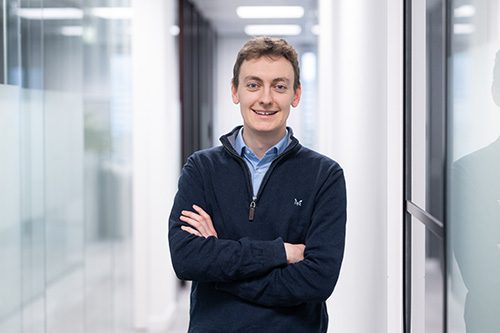
The medical devices and diagnostics team
The team at Boult is diverse and multidisciplinary, drawing together engineering, physics, software, bio-informatics, biotech, and pharma experts. We have longstanding experience in original drafting, prosecution, opposition and appeals for a wide variety of clients across the sector.
The medical devices and diagnostics sector is notable for its high proportion of SMEs, with smaller enterprises forming nearly 95% of the industry in Europe. We appreciate that the IP process can be make or break for smaller firms and we are equipped to guide them throughout the process. At the same time, we also work alongside some of the largest players in the market, taking on projects as a direct extension of their in-house teams. From drafting to portfolio management, in-house secondments and overflow work when required, we partner with our clients to meet their individual needs.
“Our clients’ work in the medtech and diagnostics sector is ground breaking and to the benefit of us all. Through our IP work we help bring needed medical innovation to the market. I know I speak for the team when I say we all find this immensely satisfying.”
Medical devices and diagnostics (medtech) is a dynamic technical field with one of the highest rates of patent applications annually. Innovations in this area cover three major categories: medical devices (for prevention, diagnosis or treatment); in vitro diagnostics (non-invasive tests); and digital health. At Boult, we are active across all three disciplines.
The medical field is one of great innovation and continues to be at the cutting edge of technological and pharmaceutical development. Major trends we have seen recently in our work with our clients include the growth in portable, wearable smart devices, combating anti-microbial resistance, early detection and diagnosis technology, automated or non-invasive robotic surgery, greater use of “big data” and AI, and decentralised diagnostics, via laboratory digitalisation. This scope for invention must be balanced against the complex regulatory frameworks prevalent in the medtech space, with the potential risk to end users for both medical devices and diagnostic devices which, although not directly in the remit of IP, remains a key consideration in any filing.
The medical devices and diagnostics team
The team at Boult is diverse and multidisciplinary, drawing together engineering, physics, software, bio-informatics, biotech, and pharma experts. We have longstanding experience in original drafting, prosecution, opposition and appeals for a wide variety of clients across the sector.
The medical devices and diagnostics sector is notable for its high proportion of SMEs, with smaller enterprises forming nearly 95% of the industry in Europe. We appreciate that the IP process can be make or break for smaller firms and we are equipped to guide them throughout the process. At the same time, we also work alongside some of the largest players in the market, taking on projects as a direct extension of their in-house teams. From drafting to portfolio management, in-house secondments and overflow work when required, we partner with our clients to meet their individual needs.
What sets us apart
We work with clients at all stages of the development lifecycle. The size and scale of our team and the combination of technical backgrounds we draw from, ensure we always have the right people fitted to a particular client or matter. This breadth of expertise means we are free to work in whatever way best suits our clients, whether that’s advising a sizeable in-house research team in specific niche areas or working with an invention or development team that needs full support from the start.
Our combination of UK and German IP specialists is integral to our approach, enabling Boult to support clients wherever required in the EU and the UK. Moreover, we are well-versed in collaborating with litigation teams globally, should our clients require it, having supported on some of the most high-profile medical devices and diagnostics oppositions.
Our team’s reputation for excellence speaks for itself. We’re pleased to have received several major awards in recognition of this.












Boult celebrates National Tree Week with an autumnal photo challenge whilst hitting a huge milestone with OneTribe.
With UPC protective letter filings increasing, businesses facing patent risks should reconsider their role in litigation preparedness and defence against early court measures.
Taylor Swift's latest trade mark filings for her signature voice prompt raise important questions about sound marks, AI deepfakes, and whether trade marks can offer meaningful protection against digital replicas.
Dr Jonathan Palmer is attending the 79th Council Meeting of Asian Patent Attorneys Association in Hong Kong on 29 November - 2 December.